
Why Great Construction Projects Are Built on Relationships, Not Just Contracts
Contracts define responsibilities, but trusted relationships are what keep projects moving when challenges arise.
Construction relationships are one of the most important drivers of successful project outcomes. In construction, contracts outline expectations, budgets, and timelines, but they do not build successful projects by themselves.
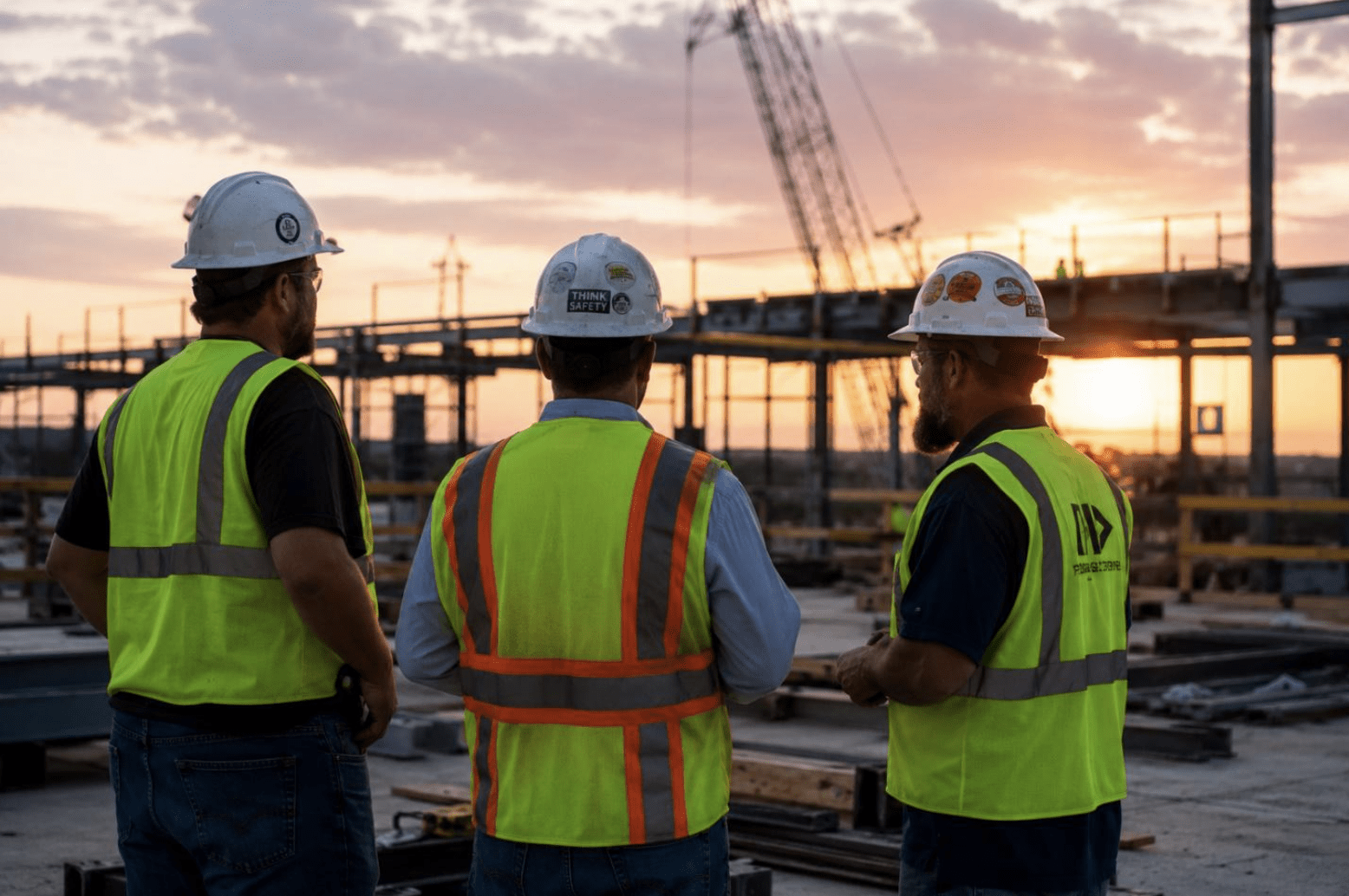
Behind every completed job is a network of trusted relationships. From general contractors and subcontractors to project managers, skilled tradespeople, and staffing partners, the strength of those relationships often determines whether a project stays on schedule or faces costly delays.
While contracts establish responsibilities, it is trust, communication, and collaboration that keep projects moving forward when challenges arise.
Key Takeaways
- Construction relationships help projects stay productive when unexpected challenges arise.
- Trust allows teams to communicate openly and solve problems faster.
- Reliable workforce partners reduce staffing concerns and help project teams focus on execution.
- Long-term partnerships often create better startup speed, communication, accountability, and confidence.
To see how QLM supports contractors through reliable workforce partnerships, explore our workforce solutions and open positions.
Trust Creates Reliability
Every construction project encounters unexpected obstacles. Weather delays, material shortages, design revisions, and labor demands can quickly affect schedules and create pressure across the project team.
When project teams have built strong relationships, they are able to work through these challenges together instead of against one another. Trust allows contractors to communicate openly, solve problems quickly, and remain focused on delivering quality work rather than assigning blame.
Project reality: When trust is already established, teams can respond faster, communicate more honestly, and keep momentum during schedule pressure or unexpected change.
Communication Keeps Projects Moving
Construction projects involve countless moving parts. When communication breaks down, even small misunderstandings can create larger operational issues.
Poor communication can lead to:
- Scheduling conflicts
- Safety concerns
- Rework
- Increased costs
- Project delays
Strong relationships encourage proactive communication before problems become larger issues. Whether it is a superintendent coordinating crews or a staffing partner updating workforce availability, timely communication helps projects stay productive.
For more on how communication and safety connect to project performance, explore QLM risk management services.
Reliable People Make the Difference
Equipment can be rented. Materials can be reordered. Time, however, is much harder to recover.
Successful contractors know that dependable people are one of the most valuable resources on any project. Working with partners who consistently deliver qualified professionals allows project teams to spend less time worrying about staffing and more time focusing on execution.
Reliable workforce support can help improve productivity, stabilize schedules, and reduce disruptions during critical project phases. To learn more, read our article on the growing importance of workforce reliability.
Long-Term Partnerships Create Better Results
Many of the strongest construction companies do not build projects with a new team every time. Instead, they develop lasting partnerships with subcontractors, suppliers, staffing firms, and workforce professionals who understand their expectations and standards.
These long-term relationships often result in:
- Faster project startup
- Better workforce consistency
- Improved communication
- Greater accountability
- Increased confidence when schedules become demanding
The longer teams work together, the more efficiently they operate.
Relationships Extend Beyond the Jobsite
Strong partnerships do not begin when a project starts, and they do not end when the project is complete. The most successful companies invest time in understanding each other’s goals, maintaining open communication, and supporting long-term growth.
This creates trust that extends from one project to the next, making future collaboration more efficient and productive. In a competitive construction market, that continuity can become a meaningful advantage.
How QLM Supports Strong Partnerships
At QLM, we believe our role extends beyond providing skilled professionals. Our goal is to become a trusted workforce partner that understands our clients’ needs, communicates consistently, and helps build teams capable of delivering successful projects.
Whether supporting a short-term assignment or helping staff long-term construction initiatives, we believe the strongest results come from relationships built on trust, reliability, and shared success.
QLM supports contractors with workforce solutions designed to help projects stay staffed, productive, and moving forward.
Conclusion
Construction has always been a relationship-driven industry. While contracts establish the framework for a project, it is the people behind those agreements who determine its success.
Trust, communication, reliability, and long-term partnerships help projects overcome challenges, strengthen teams, and create lasting results. At the end of the day, great construction projects are not built on contracts alone. They are built on relationships.
FAQs: Construction Relationships and Workforce Partnerships
Why are relationships important in construction?
Relationships are important because construction projects depend on trust, communication, reliability, and collaboration. Strong relationships help teams solve problems faster, reduce delays, and keep projects moving when unexpected challenges arise.
How does trust improve project performance?
Trust improves performance by allowing contractors, subcontractors, skilled tradespeople, and workforce partners to communicate openly, respond quickly, and stay focused on solutions instead of blame.
Why does communication matter on construction projects?
Communication matters because construction projects involve many moving parts. Proactive communication helps prevent scheduling conflicts, safety concerns, rework, cost increases, and project delays.
How do long-term partnerships improve construction outcomes?
Long-term partnerships improve outcomes by creating faster project startup, better workforce consistency, stronger communication, greater accountability, and more confidence during demanding schedules.
How does QLM support strong construction partnerships?
QLM supports strong construction partnerships by providing skilled workforce solutions, consistent communication, reliable labor support, and a relationship-driven approach that helps clients build successful project teams.
How do I get started with QLM?
The fastest way to get started is to contact QLM with your project scope, location, timeline, and workforce needs. We’ll help align the right workforce support to your goals.