Beyond the Resume: What Makes a Skilled Trades Professional Valuable?
Technical ability may earn an opportunity, but reliability, safety, communication, and character create long-term value.
The most important skilled trades professional qualities cannot always be measured by years of experience, certifications, or a list of completed projects. While technical qualifications are essential, they rarely tell the complete story of how someone will contribute on a jobsite.
The most valuable professionals bring more than the ability to perform a specific task. They contribute to jobsite safety, team productivity, communication, workforce reliability, and the overall success of the project.
At QLM, we believe successful placements are built on more than matching resumes to job descriptions. They are built by understanding the technical and professional qualities that make someone a dependable member of a crew.
Key Takeaways
- Skilled trades professional qualities extend beyond experience, certifications, and technical ability.
- Reliability includes preparation, communication, adaptability, safety awareness, and consistent work ethic.
- Professionals who communicate well and prioritize safety often strengthen the performance of the entire crew.
- QLM evaluates both technical qualifications and professional character when supporting client workforce needs.
Learn more about QLM’s skilled trades workforce solutions or explore current career opportunities with QLM.
Looking Beyond Experience
When evaluating candidates, it is natural to focus first on years of experience, certifications, equipment knowledge, and technical skills. Those qualifications help determine whether someone can perform the work, but they do not always reveal how that person will approach the job each day.
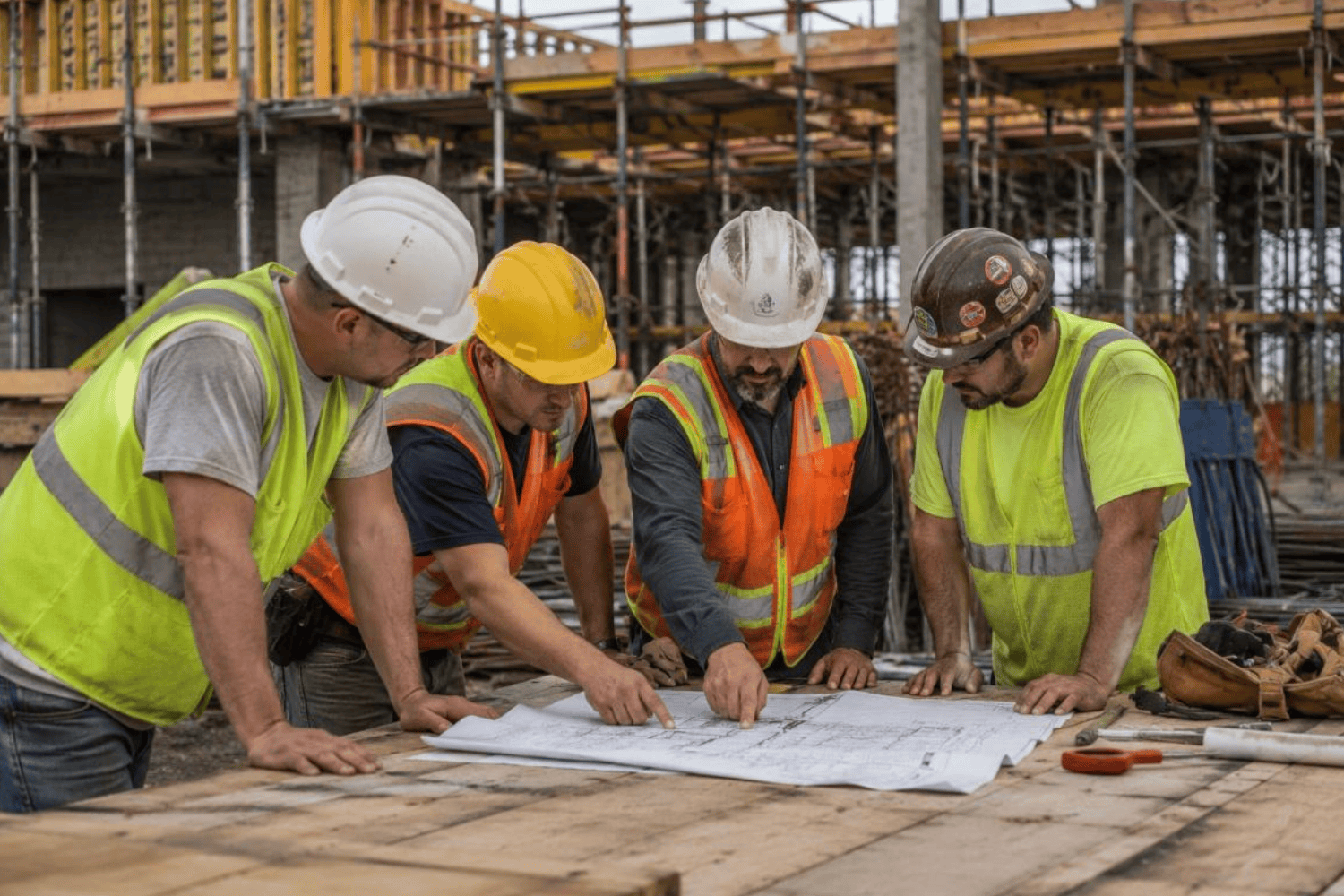
Construction and industrial projects depend on people who can work effectively within a team, respond to changing conditions, communicate concerns, and maintain consistent standards throughout the assignment.
A technically qualified worker may be able to complete an individual task. A valuable team member understands how personal performance affects safety, scheduling, coordination, quality, and the people working nearby.
Workforce insight: A resume explains what someone has done. Professional character helps determine how that person will contribute to the next project.
Technical Skills Get You Hired. Character Keeps You Working.
A resume can show where someone has worked. It can list certifications, equipment experience, trade specialties, and completed projects. What it cannot always show is how that individual approaches the work each day.
The skilled trades are built on accountability. Clients need professionals who show up prepared, communicate effectively, work safely, accept responsibility, and take pride in the quality of their work.
Those qualities often make the difference between someone who simply fills a position and someone who becomes a trusted member of the team.
Professional character can be demonstrated through:
- Consistent attendance and punctuality
- Preparation for daily tasks
- Respect for supervisors and coworkers
- Accountability for completed work
- A commitment to safety and quality
- A positive response to feedback and changing conditions
Reliability Matters More Than Ever
Construction schedules, shutdowns, manufacturing deadlines, commercial projects, and mission-critical work all rely on dependable professionals. When one person is unprepared or unavailable, the impact can spread across an entire crew.
A reliable team member is not only someone who arrives on time. Reliability also means:
- Following established safety procedures
- Being prepared for the day’s work
- Communicating with supervisors and coworkers
- Adapting when project needs change
- Maintaining a strong work ethic throughout the project
- Following through on assigned responsibilities
When every member of a crew can be counted on, projects run more efficiently and teams spend less time solving preventable problems.
To learn more about how dependability affects project execution, read our article on the growing importance of workforce reliability.
Need dependable skilled trades professionals?
QLM helps clients connect with qualified workers who bring the technical skills, reliability, safety awareness, and professionalism required to support successful projects.
Safety Is Everyone’s Responsibility
Safety is not limited to a single meeting, orientation, or toolbox talk. It is part of every decision made on the jobsite.
Professionals who consistently prioritize safety help protect themselves and everyone working around them. They recognize hazards, follow established procedures, communicate concerns, use the appropriate personal protective equipment, and understand when work should stop until a condition is corrected.
Safety-conscious workers add value by helping teams:
- Identify hazards before they become incidents
- Maintain stronger jobsite communication
- Reduce avoidable downtime and disruption
- Protect coworkers and surrounding trades
- Support compliance and accountability
- Maintain more consistent project performance
At QLM, Safety, Productivity, and Quality are not separate priorities. Our SPQ philosophy reflects how these three standards work together to support stronger clients, team members, and project outcomes.
Learn more about how QLM helps protect sites and teams through our risk management services.
Communication Keeps Projects Moving
Successful projects depend on communication just as much as craftsmanship. Even highly experienced professionals can create unnecessary risk if they fail to communicate changes, questions, delays, or unsafe conditions.
Effective jobsite communication may include:
- Notifying a supervisor about an issue
- Asking questions before beginning an unfamiliar task
- Coordinating work with other trades
- Reporting material, equipment, or scheduling concerns
- Confirming expectations before work begins
- Sharing information that may affect safety or productivity
Clear communication helps reduce delays, prevent mistakes, improve coordination, and maintain productivity. Workers who communicate effectively often become trusted leaders because they are focused on helping the entire team succeed.
Project reality: Strong communication is not separate from skilled work. It is one of the tools that helps skilled professionals deliver safer, more consistent results.
A Willingness to Learn Sets Great Workers Apart
Construction and industrial work continue to evolve through new technology, equipment, safety standards, materials, and project requirements. The skills that supported one project may need to be expanded or adjusted for the next.
Professionals who continue growing throughout their careers are often the ones who stay curious, ask questions, respond well to feedback, and embrace opportunities to learn.
A willingness to learn helps skilled trades professionals:
- Adapt to new equipment and technology
- Understand updated safety requirements
- Expand into specialized project environments
- Develop leadership and communication skills
- Improve craftsmanship and efficiency
- Prepare for future career opportunities
Technical ability can be developed over time, but a positive attitude and willingness to improve are qualities that consistently add value to any project.
Adaptability Supports Changing Project Demands
Construction projects rarely remain completely unchanged from beginning to completion. Schedules shift, scopes are revised, materials are delayed, and workforce needs change across different phases of work.
Valuable professionals understand how to adjust without abandoning safety, quality, or accountability. They remain focused when conditions change and communicate with leadership before making assumptions.
Adaptability does not mean ignoring procedures or accepting unsafe expectations. It means responding professionally, learning quickly, and helping the team identify the best path forward.
Why These Qualities Matter to Our Clients
Finding qualified workers is only one part of the workforce equation. Building dependable teams requires understanding the characteristics that contribute to long-term project success.
That is why QLM takes a labor management approach rather than simply filling positions.
We work to connect clients with skilled professionals who meet the technical requirements of the job while also demonstrating the reliability, professionalism, communication, safety awareness, adaptability, and work ethic needed to support successful projects.
This approach helps clients build teams that are better prepared to:
- Maintain project schedules
- Support safe jobsite performance
- Reduce preventable disruption
- Improve coordination between team members
- Maintain consistent quality standards
- Adapt as workforce and project demands change
More Than a Resume
A resume is an important starting point, but it rarely tells the complete story.
The professionals who make the greatest impact are those who combine technical expertise with accountability, communication, adaptability, reliability, and a commitment to safety and quality.
At QLM, we believe those qualities are what separate a qualified worker from a truly valuable team member. By focusing on both technical skills and professional character, we help clients build stronger teams and create lasting project success.
FAQs: Valuable Skilled Trades Professional Qualities
What makes a skilled trades professional valuable?
A valuable skilled trades professional combines technical ability with reliability, accountability, safety awareness, communication, adaptability, work ethic, and a commitment to quality.
Why is reliability important in the skilled trades?
Reliability helps crews maintain schedules, coordinate work, reduce disruptions, and avoid preventable delays. It includes being prepared, following procedures, communicating clearly, and adapting when project needs change.
Why does communication matter on a jobsite?
Clear communication helps workers identify concerns, coordinate with other trades, ask questions before beginning tasks, reduce mistakes, prevent rework, and keep projects moving safely.
How does safety awareness add value to a project?
Safety-conscious professionals help identify hazards, follow procedures, protect coworkers, reduce incidents, and support stronger productivity and project performance.
Why is a willingness to learn important?
Construction and industrial work continue to evolve through new technology, equipment, standards, and project requirements. Professionals who remain curious and willing to learn are better prepared to adapt, improve, and grow.
How does QLM evaluate skilled trades professionals?
QLM considers technical qualifications along with reliability, professionalism, communication, safety awareness, accountability, adaptability, and work ethic when supporting client workforce needs.
How do I get started with QLM?
Contractors can contact QLM with their project scope, location, workforce requirements, and timeline. Skilled trades professionals can review current opportunities on the QLM open positions page.