Why Summer Heat Is Becoming a Major Construction Workforce Issue
Heat stress is no longer just a seasonal safety topic. It is becoming a serious workforce and productivity issue for contractors.
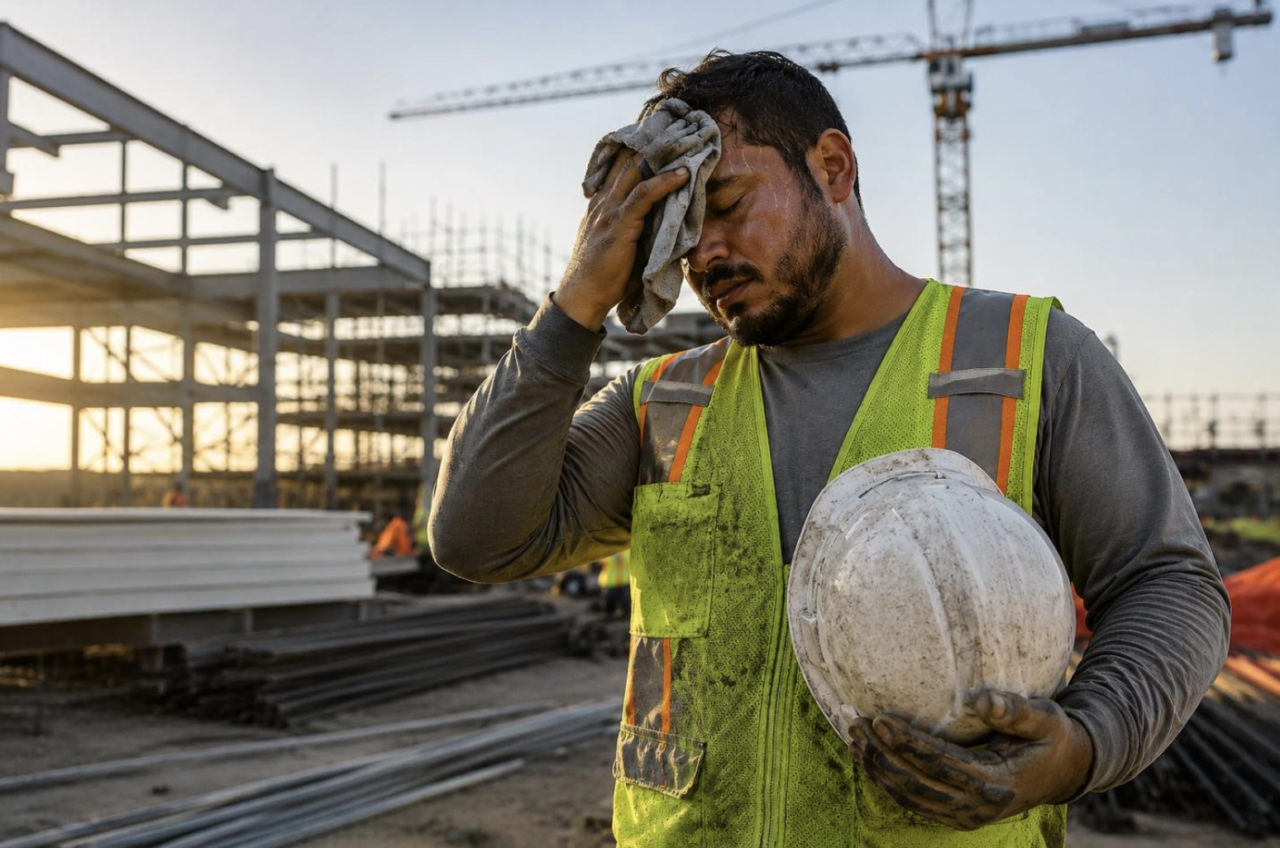
Summer heat safety in construction is becoming more important as temperatures continue to rise across the country. From Florida and Texas to Arizona and Louisiana, crews are spending long hours working in high temperatures, direct sunlight, and physically demanding environments.
While heat-related illness has always been a concern in construction, the combination of labor shortages, aggressive project schedules, and increasingly extreme weather conditions is making heat stress prevention more important than ever.
At QLM, we work closely with contractors and skilled trades professionals in markets where summer heat can quickly impact jobsite safety, morale, attendance, and overall productivity. Companies that take heat safety seriously are in a better position to protect their workforce and keep projects moving efficiently.
Key Takeaways
- Summer heat safety in construction affects safety, productivity, morale, attendance, and retention.
- Heat stress can reduce decision-making, increase fatigue, and raise the risk of mistakes or accidents.
- Hydration, communication, shaded rest areas, and proper PPE awareness help reduce heat-related risk.
- Contractors that prepare early are better positioned to protect crews and keep projects moving during extreme heat.
To learn more about how QLM supports safer workforce outcomes, explore our risk management services and industries we serve.
Heat Stress Is More Than a Safety Concern
Many contractors still think about heat stress only in terms of OSHA compliance or emergency situations. The reality is that heat exposure affects far more than just safety incidents.
When workers become overheated or dehydrated, it can lead to:
- Reduced productivity
- Increased fatigue
- Slower decision-making
- Higher risk of mistakes and accidents
- More absenteeism
- Increased turnover on difficult projects
In physically demanding trades such as electrical, plumbing, HVAC, welding, concrete, and mechanical installation, even mild dehydration can impact performance throughout the workday.
According to OSHA heat exposure guidance, heat-related illnesses can include heat exhaustion, heat cramps, heat stroke, dizziness, headaches, nausea, confusion, and excessive fatigue. These symptoms can escalate quickly when employees are working long shifts in high-temperature environments.
Workforce reality: Heat stress prevention protects more than compliance. It protects productivity, morale, attendance, retention, and daily jobsite execution.
The Construction Industry Faces Unique Challenges
Construction work is different from many other industries because employees often perform physically demanding tasks in open, unfinished, or high-exposure environments. That makes heat stress prevention more complex and more urgent.
Construction employees often need to:
- Work outdoors for extended periods
- Wear heavy PPE
- Perform physically demanding labor
- Operate equipment in direct sunlight
- Work on unfinished jobsites with limited shade or cooling areas
Many jobsites also involve tight deadlines and accelerated schedules during peak construction seasons, which can increase physical strain on crews.
At the same time, skilled labor shortages continue to affect contractors nationwide. Losing even a few experienced workers to heat-related fatigue, illness, or burnout can impact project timelines significantly.
For many employers, heat stress prevention is no longer just a safety conversation. It has become a workforce retention and operational planning issue as well.
Hydration and Communication Matter More Than Ever
One of the biggest mistakes workers make is waiting until they feel thirsty before drinking water. By that point, dehydration may have already started affecting performance and physical condition.
Contractors should encourage crews to:
- Drink water consistently throughout the shift
- Take breaks as needed
- Use shaded or cooled rest areas
- Wear appropriate lightweight PPE when possible
- Monitor coworkers for early warning signs of heat illness
- Immediately report symptoms or concerns to supervision
Creating an environment where employees feel comfortable communicating heat-related concerns is critical. Many workers try to “push through” symptoms, which can quickly create dangerous situations on jobsites.
Strong communication saves time and protects people. Field leadership, safety teams, and crews all play a role in identifying early warning signs before heat stress becomes an emergency.
Heat Safety Can Improve Retention and Morale
In today’s labor market, skilled trades professionals are paying closer attention to how employers treat field employees. Contractors that prioritize heat safety often create stronger trust with their crews.
Workers notice when employers prioritize:
- Worker safety
- Proper break schedules
- Hydration access
- Realistic expectations
- Open communication
Experienced tradespeople know the difference between companies that genuinely care about safety and those that only discuss it during orientations or toolbox talks.
At QLM, we frequently hear from employees who value contractors that actively support field safety during extreme weather conditions. Small efforts such as providing water stations, cooling areas, flexible break schedules, and consistent safety reminders can make a major difference on jobsites during the summer months.
For more on workforce performance and consistency, read our article on workforce reliability.
Preparing for the Months Ahead
With summer temperatures expected to remain high in many regions, contractors should continue reviewing heat stress prevention procedures and reinforcing jobsite safety expectations.
Practical steps include:
- Conducting regular heat safety talks
- Ensuring easy access to water and shaded rest areas
- Monitoring high-risk employees and new workers
- Adjusting schedules when possible during extreme heat
- Encouraging team members to look out for one another
- Reinforcing early reporting of symptoms
Heat stress prevention is ultimately about protecting both people and projects. Companies that proactively address heat-related risks are better positioned to maintain safer jobsites, stronger productivity, and healthier workforces throughout the summer season.
QLM’s Commitment to Safety During Extreme Heat
At QLM, safety remains a critical part of supporting both our clients and workforce across the construction and skilled trades industries. As temperatures continue to rise, staying proactive about hydration, communication, and heat stress awareness will remain essential on every jobsite.
Whether contractors are managing commercial construction, industrial work, renewable energy projects, or mission-critical jobsites, workforce safety must remain central to project planning and field execution.
To learn more about how QLM helps contractors protect jobsites and teams, explore our risk management services or connect with our team below.
FAQs: Summer Heat Safety in Construction
Why is summer heat a workforce issue in construction?
Summer heat affects more than safety. It can reduce productivity, increase fatigue, slow decision-making, raise the risk of mistakes, increase absenteeism, and contribute to turnover on difficult projects.
What are common signs of heat-related illness?
Common warning signs can include dizziness, headaches, nausea, confusion, cramps, excessive fatigue, heat exhaustion, and heat stroke. These symptoms can escalate quickly during long shifts in high-temperature environments.
How can contractors help prevent heat stress?
Contractors can help prevent heat stress by encouraging consistent hydration, providing shaded or cooled rest areas, adjusting schedules during extreme heat, monitoring high-risk workers, reinforcing PPE awareness, and encouraging early symptom reporting.
How does heat safety affect productivity?
Heat safety supports productivity by reducing fatigue, absenteeism, downtime, mistakes, accidents, and turnover. Crews that are hydrated, rested, and supported are better able to work safely and consistently.
Why does communication matter during extreme heat?
Communication matters because many workers try to push through symptoms. Clear communication between field leadership, safety teams, and crews helps identify early warning signs and prevent heat-related incidents before they escalate.
How do I get started with QLM?
The fastest way to get started is to contact QLM with your project scope, locations, and workforce needs. We’ll help align the right workforce support to your project goals.